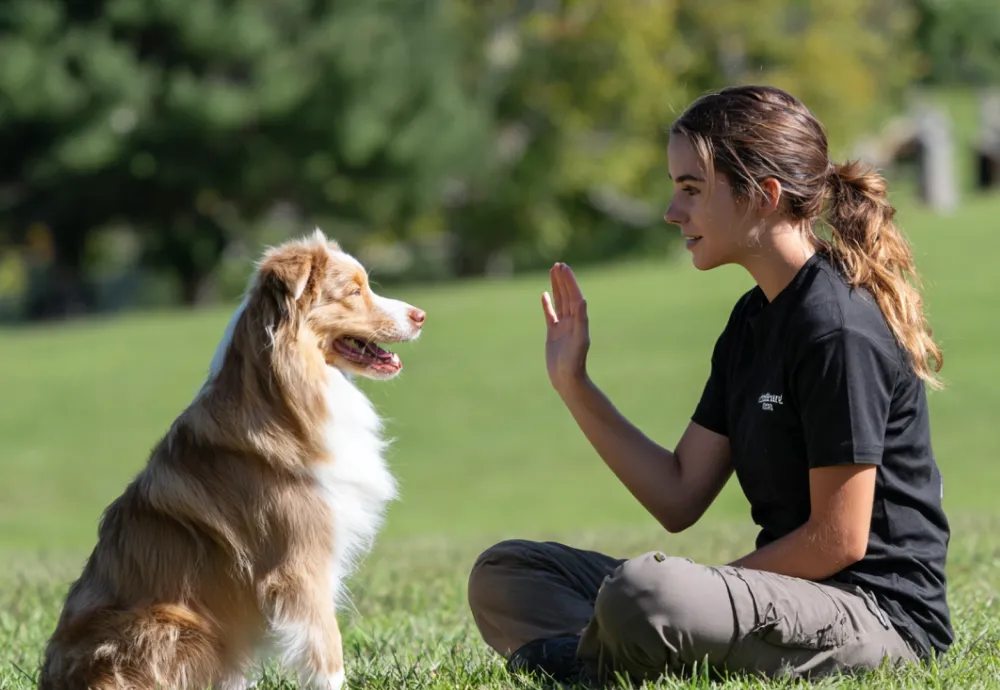
Every frustrated dog owner eventually searches for a Dog Behavior Training Guide for Owners that actually works. Endless advice floods the internet. Conflicting tips create confusion.
Your dog feels that tension immediately. Clear communication changes everything. When you understand what drives behavior, you stop reacting and start leading with confidence.
Most behavior problems don’t appear out of nowhere. Dogs respond to patterns, energy, and consistency. Owners often miss subtle signals. That gap leads to barking, pulling, chewing, or anxiety. Education bridges that gap faster than punishment ever could.
Why Most Owners Struggle Without a Dog Behavior Training Guide for Owners
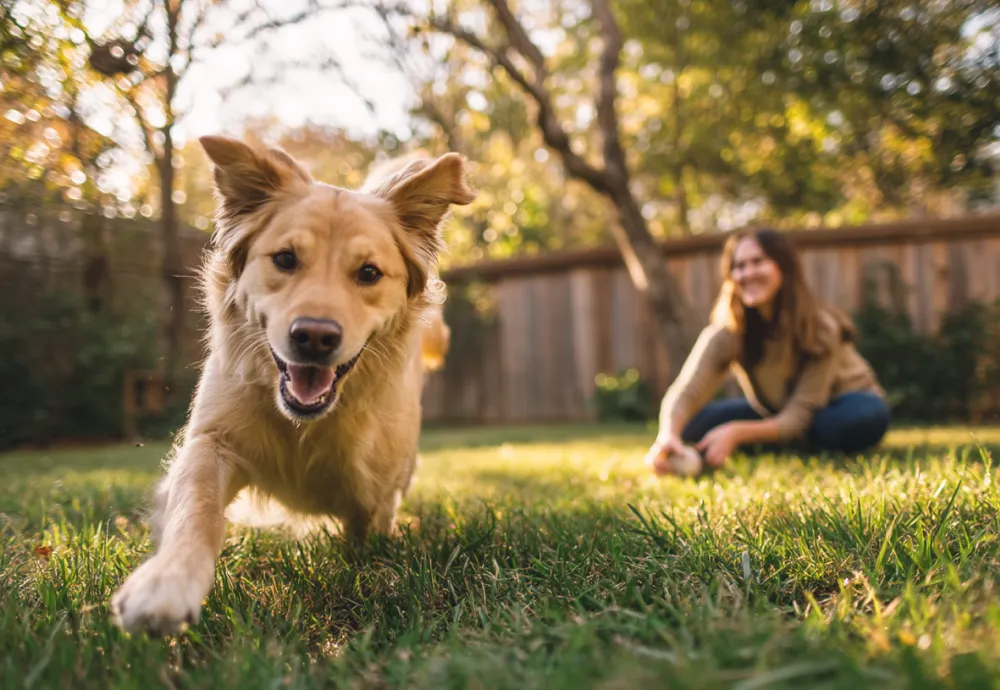
Many people rely on random videos. Others follow outdated dominance myths. Those approaches damage trust. Dogs thrive on structure and clarity. Without both, frustration builds on both sides of the leash.
Serious progress starts with reliable knowledge. A structured Dog training behavior manual helps owners see patterns instead of isolated incidents. Behavior connects to triggers, timing, and reinforcement. Once you notice that chain, correction becomes logical.
Consistency beats intensity every time. Short daily sessions work better than emotional outbursts. Strong routines reduce stress. Calm leaders raise calm dogs.
Understanding Canine Body Language Before You Correct Behavior
Dogs speak through posture, eyes, tail movement, and tension. Owners often ignore those signals. Misreading body language causes unnecessary conflict. Growling doesn’t always signal aggression. Sometimes it shows fear or discomfort.
Study Understanding canine body language before you attempt corrections. Notice ear position during new encounters. Watch how your dog shifts weight when nervous. Observe lip licking during stress.
Recognition builds empathy. Empathy builds trust. Trust accelerates learning. Training becomes a partnership instead of a battle.
Dog Behavior Training Guide for Owners: Fixing Common Problems
Jumping on guests frustrates many households. Pulling during walks causes physical strain. Excessive barking irritates neighbors. Chewing destroys furniture and patience.
You need practical steps on How to correct common dog behavior problems without harsh methods. Replace jumping with a sit command. Reward calm greetings. Redirect chewing toward appropriate toys. Reinforce quiet behavior with immediate praise.
Timing matters more than volume. Reward within seconds. Correct gently but firmly. Avoid emotional reactions. Dogs respond to clarity, not anger.
Owners who follow a Dog Behavior Training Guide for Owners see faster improvement because they address root causes. They don’t mask symptoms. They reshape habits.
Building Structure with Positive Reinforcement
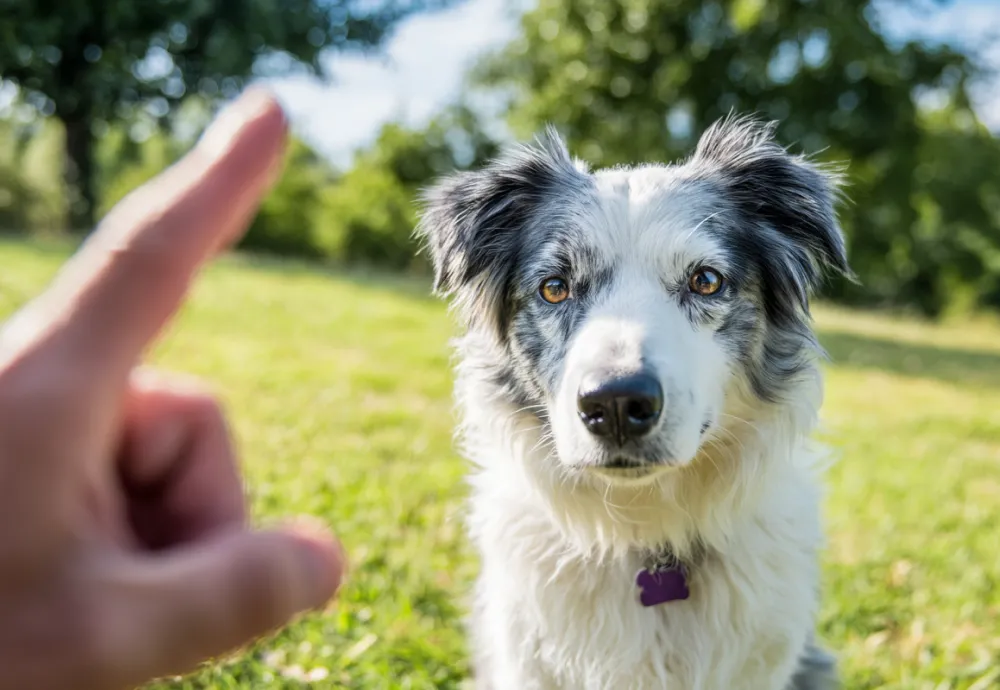
Reward-based methods strengthen bonds. Harsh punishment creates fear. Fear damages learning. Positive systems encourage repetition of desired behavior.
A well-designed Positive reinforcement dog training guide shows how to use treats strategically. Use high-value rewards during early stages. Gradually phase them out as behaviors stabilize.
Energy influences results. Speak clearly. Move deliberately. Offer praise immediately. Dogs crave approval more than dominance.
Confidence grows in both directions. Your dog feels safer. You feel more capable.
Creating an At-Home Dog Obedience Training Program That Works
Formal classes help, but daily home practice drives lasting change. Structured repetition builds muscle memory. Ten focused minutes outperform chaotic sessions.
An organized At-home dog obedience training program keeps progress measurable. Set small weekly goals. Track improvements. Adjust when necessary.
- Practice sit and stay before meals.
- Reinforce leash manners during short walks.
- Introduce impulse control games daily.
- End sessions on success.
Routine removes guesswork. Predictability lowers anxiety. Calm structure prevents many behavioral flare-ups.
Why the Understanding Dog Behavior Toolkit Makes Training Easier
Information overload overwhelms busy owners. You need one system. The Understanding Dog Behavior Toolkit organizes proven methods into a clear 4-in-1 bundle.
Instead of jumping between scattered resources, you follow a logical path. The Understanding Dog Behavior Toolkit covers behavioral foundations, correction strategies, and communication techniques. Owners gain clarity quickly.
Practical worksheets help track progress. Step-by-step explanations reduce guesswork. Real-world scenarios prepare you for everyday challenges. Structured guidance shortens the learning curve.
Many owners appreciate how the Understanding Dog Behavior Toolkit simplifies complex behavior science. Clear language replaces jargon. Simple action steps replace theory overload.
Dog Behavior Training Guide for Owners Who Want Long-Term Results
Quick fixes rarely last. Sustainable habits require repetition and understanding. Long-term success depends on leadership consistency.
When owners apply a Dog Behavior Training Guide for Owners consistently, they notice subtle improvements daily. Walks feel calmer. Guests enter without chaos. Commands receive faster responses.
Progress may feel slow at first. Small wins compound quickly. Within weeks, structure transforms the home environment.
Training doesn’t demand perfection. It requires commitment. Dogs forgive mistakes. They respond to patience.
Behavior reflects communication quality. Strengthen that communication and harmony follows naturally. Invest time in learning. Apply knowledge with intention. Watch the transformation unfold in your daily life.
Broadening Your View Even Further
Learning how dogs think often inspires curiosity in other areas of life. Travel broadens perspectives and teaches patience: both essential qualities for any dog owner.
If you love discovering great tips, check out this guide for best destinations for solo female travelers that will change the way you see the world. Exploring new places teaches observation skills that translate well to understanding canine behavior.
Creating calm, organized experiences matters at home too. Planning a big family gathering mirrors the structured approach successful training requires.
You might enjoy this article on how to plan a holiday feast with minimal stress and actually enjoy the day. The same principles of preparation and patience make training sessions smoother and more enjoyable.
Confidence makes everything easier: from commanding a room to guiding a dog through behavior change.
If you want inspiration for presenting your best self, read about natural makeup ideas that make you look effortlessly radiant. Feeling your best gives you the mental clarity to stay consistent and calm in every training situation.
Leave a Reply